
How hard is trekking in bhutan difficulty?How hard is trekking in bhutan difficulty?
Trekking in Bhutan is often described as one of the most rewarding yet physically demanding outdoor experiences in the Himalayas. For many travelers, Trekking in Bhutan feels like a dream adventure surrounded by untouched mountains, ancient monasteries, and high-altitude wilderness. 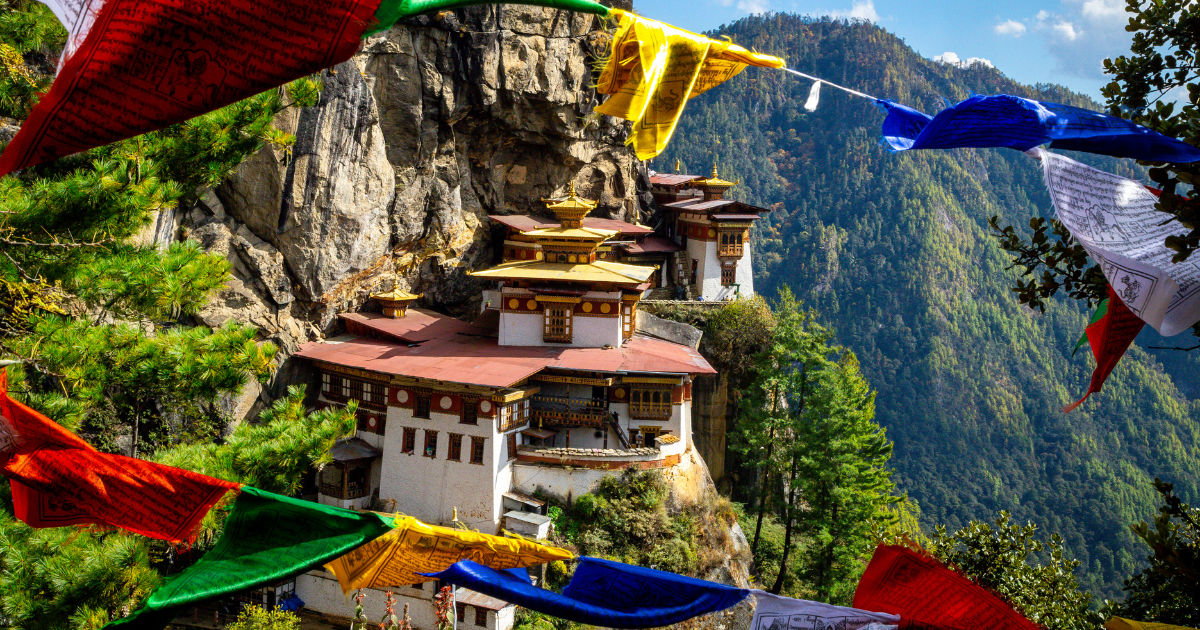 However, understanding Trekking in Bhutan difficulty is important before planning your journey, because Trekking in Bhutan is not just a casual walk—it involves altitude, endurance, and preparation.
Many beginners search for answers about Trekking in Bhutan because they want to know whether it is suitable for them. The truth is that Trekking in Bhutan ranges from easy valley walks to extremely challenging high-altitude expeditions. This guide explains everything about Trekking in Bhutan, including fitness level, terrain, weather, and mental preparation. By the end, you will clearly understand why Trekking in Bhutan is considered both challenging and unforgettable.
In short, Trekking in Bhutan is not defined by one level of difficulty. Instead, Trekking in Bhutan offers a wide spectrum of experiences depending on the route, season, and preparation. If you are planning Trekking in Bhutan, this guide will help you make an informed decision.
Understanding the overall difficulty of trekking in Bhutan
The difficulty of Trekking in Bhutan depends on several factors, including altitude, distance, terrain, and weather conditions. Unlike simple hiking trails in many countries, Trekking in Bhutan often takes place in remote Himalayan environments where facilities are limited.
For beginners, Trekking in Bhutan can feel moderately hard even on easier routes. This is because Trekking in Bhutan usually starts at higher elevations than most trekking destinations. Even short treks require walking uphill for several hours per day.
At the same time, experienced hikers find Trekking in Bhutan to be a balanced mix of challenge and beauty. Advanced routes of Trekking in Bhutan can include passes above 5,000 meters, where oxygen levels are significantly lower.
Another important point is that Trekking in Bhutan is not only physical but also mental. Long days, isolation, and changing weather make Trekking in Bhutan a full endurance experience.
In summary, Trekking in Bhutan can be easy, moderate, or extremely hard depending on the route, but it always requires preparation and awareness.
Types of trekking routes in Bhutan
There are several types of Trekking in Bhutan, each offering a different level of difficulty.
Short cultural treks are the easiest form of Trekking in Bhutan. These usually last 2–4 days and stay in lower valleys. Even though they are easier, Trekking in Bhutan at this level still involves steady uphill walking.
Moderate treks are the most common form of Trekking in Bhutan. These last about 5–10 days and include higher altitudes. Many travelers choose this level because Trekking in Bhutan at moderate difficulty offers both challenge and comfort.
Hard and long-distance treks represent the most demanding side of Trekking in Bhutan. These can last over two weeks and involve high mountain passes, glaciers, and remote camps. In these routes, Trekking in Bhutan becomes a serious endurance activity.
Each type of Trekking in Bhutan requires different preparation levels, and choosing the right one is key to a safe experience.
Physical fitness required for trekking in Bhutan
Fitness plays a major role in Trekking in Bhutan difficulty. Even if you are healthy, Trekking in Bhutan will challenge your stamina because of long walking hours.
Most routes of Trekking in Bhutan require walking 5 to 8 hours daily. This means your legs, lungs, and endurance must be well prepared. Without fitness, Trekking in Bhutan can quickly become exhausting.
Cardiovascular strength is especially important for Trekking in Bhutan, since oxygen levels decrease at higher altitudes. Simple activities like jogging, cycling, and stair climbing help prepare for Trekking in Bhutan.
Strength training also supports Trekking in Bhutan, especially for carrying backpacks and handling steep ascents. Even basic preparation makes Trekking in Bhutan easier and more enjoyable.
In short, the fitter you are, the more enjoyable Trekking in Bhutan becomes.
Altitude and its impact on trekking difficulty
Altitude is one of the biggest challenges in Trekking in Bhutan. Many trails go above 3,000 meters, and some reach over 5,000 meters. This makes Trekking in Bhutan significantly more demanding than lowland hikes.
At higher elevations, oxygen levels decrease, which directly affects energy levels during Trekking in Bhutan. Even simple walking can feel harder, especially during steep climbs.
Altitude sickness is also a risk during Trekking in Bhutan. Symptoms may include headaches, dizziness, and fatigue. Proper acclimatization is essential for safe Trekking in Bhutan.
The higher you go, the more challenging Trekking in Bhutan becomes. That is why many itineraries include rest days to help the body adjust during Trekking in Bhutan.
Understanding altitude is key to evaluating Trekking in Bhutan difficulty correctly.
Weather and seasonal challenges
Weather plays a major role in Trekking in Bhutan conditions. The country has unpredictable mountain weather, which directly affects Trekking in Bhutan difficulty.
During spring and autumn, Trekking in Bhutan is more stable and comfortable. These are the best seasons for Trekking in Bhutan, with clear skies and moderate temperatures.
In winter, Trekking in Bhutan becomes more difficult due to snow and freezing temperatures. Trails can become slippery, increasing the challenge of Trekking in Bhutan.
Monsoon season also affects Trekking in Bhutan, bringing rain, mud, and reduced visibility. This makes Trekking in Bhutan more physically demanding and less predictable.
Because of these seasonal changes, timing is critical for successful Trekking in Bhutan.
Essential gear for trekking in Bhutan
Proper gear significantly reduces difficulty during Trekking in Bhutan. Without the right equipment, even easy routes of Trekking in Bhutan can become uncomfortable.
Good hiking boots are essential for Trekking in Bhutan, as terrain is often rocky and uneven. Waterproof clothing is also important for Trekking in Bhutan due to sudden weather changes.
Warm layers are necessary for high-altitude Trekking in Bhutan, especially at night when temperatures drop significantly. A sleeping bag rated for cold weather is often required for Trekking in Bhutan camps.
Backpacks should be lightweight but durable for Trekking in Bhutan, since you will carry essentials daily. Trekking poles also help reduce strain during Trekking in Bhutan uphill climbs.
Having the right gear makes Trekking in Bhutan safer and more comfortable.
Acclimatization and recovery during trekking
Acclimatization is one of the most important parts of Trekking in Bhutan. Without it, altitude sickness becomes a real risk during Trekking in Bhutan.
Most itineraries include gradual ascent to help the body adjust during Trekking in Bhutan. Rest days are often planned specifically for acclimatization in Trekking in Bhutan.
Hydration is essential during Trekking in Bhutan, as it helps the body cope with altitude changes. Slow walking pace is also recommended during Trekking in Bhutan to reduce fatigue.
Ignoring acclimatization makes Trekking in Bhutan significantly harder and more dangerous.
Proper recovery ensures a safer and more enjoyable experience during Trekking in Bhutan.
Mental challenges of trekking in Bhutan
Mental strength is just as important as physical fitness in Trekking in Bhutan. Long days of walking can test patience and motivation during Trekking in Bhutan.
Remote landscapes in Trekking in Bhutan mean limited connectivity, which can feel isolating for some travelers. This makes mental preparation essential for Trekking in Bhutan.
Weather changes and physical fatigue can also affect mood during Trekking in Bhutan. Staying positive helps manage these challenges in Trekking in Bhutan.
Many trekkers find that Trekking in Bhutan becomes a mental journey as much as a physical one. Overcoming challenges builds confidence during Trekking in Bhutan.
Trail conditions and terrain difficulty
The terrain is another major factor in Trekking in Bhutan difficulty. Trails vary from forest paths to rocky mountain passes in Trekking in Bhutan.
Some sections of Trekking in Bhutan involve steep ascents that require slow and steady movement. Others include narrow ridges that demand careful balance during Trekking in Bhutan.
River crossings and uneven surfaces are common in Trekking in Bhutan, adding to the challenge. Weather can also change trail conditions during Trekking in Bhutan quickly.
Overall, terrain makes Trekking in Bhutan more physically demanding than standard hiking routes.
Guided vs independent trekking
Most travelers choose guided Trekking in Bhutan because it provides safety and structure. Guides help manage logistics and reduce difficulty during Trekking in Bhutan.
Independent Trekking in Bhutan is limited due to regulations and remoteness. This means most Trekking in Bhutan experiences are organized through tour operators.
Having a guide makes Trekking in Bhutan easier, especially for beginners. They also help with acclimatization and pacing during Trekking in Bhutan.
Guided support significantly improves safety in Trekking in Bhutan.
Training and preparation before trekking
Training before Trekking in Bhutan is highly recommended. Preparation reduces difficulty and improves endurance during Trekking in Bhutan.
Cardio exercises help prepare your lungs for Trekking in Bhutan altitude. Leg strengthening exercises improve stability during Trekking in Bhutan climbs.
Practice hikes are useful for simulating real conditions of Trekking in Bhutan. Carrying a backpack during training helps prepare for Trekking in Bhutan load.
Proper preparation makes Trekking in Bhutan more enjoyable and less exhausting.
Conclusion
In conclusion, Trekking in Bhutan is a diverse experience that ranges from easy cultural walks to extremely challenging Himalayan expeditions. The difficulty of Trekking in Bhutan depends on altitude, fitness, weather, and route selection.
For beginners, Trekking in Bhutan may feel moderately hard, especially due to altitude. For experienced hikers, Trekking in Bhutan offers a balanced and rewarding challenge.
What makes Trekking in Bhutan unique is not just its difficulty, but the combination of natural beauty, cultural richness, and personal achievement. Even though Trekking in Bhutan can be physically demanding, it is also deeply rewarding.
With proper preparation, the right mindset, and suitable planning, Trekking in Bhutan becomes a life-changing journey rather than just a physical challenge.